












Each sperm contains DNA with half of the genetic information needed to make a baby. The other half of the genetic information comes from the ovum (egg). After the sperm fertilises the egg, the DNA from the mother and father are reorganised to provide the instructions for making a baby. If the DNA that you start with is damaged, the instructions won’t be accurate, so pregnancy might not occur or something might go wrong later with the pregnancy or development of the baby.
DNA is formed by long strands of ‘nucleotides’, sort of like a string of beads. The sequence of the nucleotides is what encodes the genetic information. During the formation of sperm, breaks can occur in the strands of nucleotides. Sometimes, this damage is repaired during sperm development, but the repairs might not be perfect. Once they’re mature and ready to be ejaculated, sperm can’t repair damage to the DNA.
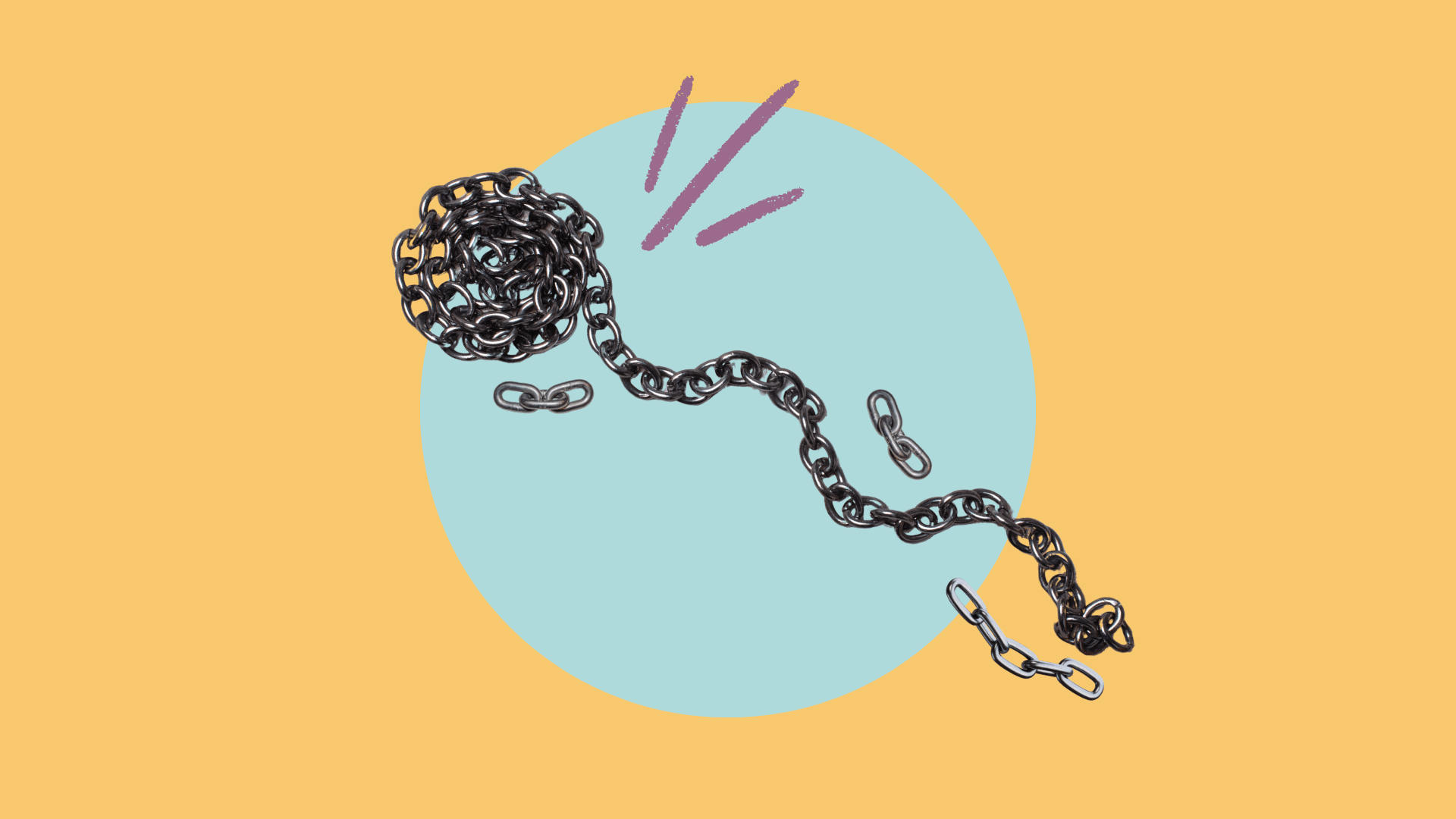
If there are breaks in the DNA strands in sperm it is referred to as sperm DNA fragmentation (SDF) because the DNA strands are fragmented.
Effects of sperm DNA fragmentation
Sperm DNA fragmentation is associated with infertility, miscarriage and perhaps effects on the health of babies but it is not known for sure whether sperm DNA fragmentation causes these problems directly.
Causes of sperm DNA fragmentation
Increased sperm DNA fragmentation is associated with:
Oxidative stress is believed to be a major cause of sperm DNA fragmentation. Oxidative stress is caused by highly reactive molecules (called free radicals) formed inside cells during cellular activity. Antioxidant systems within cells can help to prevent oxidative stress but sometimes antioxidant levels are low or get overwhelmed by high levels of free radicals.
Can sperm DNA fragmentation be fixed?
Antioxidants are sometimes suggested to treat sperm DNA fragmentation but the evidence of a beneficial effect is weak. Although evidence is similarly limited for reducing sperm DNA fragmentation with healthy behaviours — like physical activity, a Mediterranean-style diet, not smoking, avoiding alcohol and losing excess weight — these are sensible things to do because they have multiple benefits and are very likely to reduce oxidative stress. Increasing ejaculation frequency reduces sperm DNA fragmentation (which seems like an inexpensive and enjoyable way to treat the problem) but, like for lots of studies in male reproduction, most of the evidence comes from people seeking help for infertility rather than the general population.
Should I get a sperm DNA fragmentation test?
Sperm DNA fragmentation testing is not appropriate for everyone. There are no standardised testing methods, no normal ranges for SDF measurements, and no evidence-based recommendations to ‘treat’ SDF.
Sperm DNA fragmentation testing may be worth discussing with your doctor in specific circumstances like recurrent miscarriage, unsuccessful fertility treatments or if you have a clinical varicocele. If you are offered sperm DNA fragmentation testing, you might like to ask why and what it will change about your treatment.
Healthy Male has created Australia’s first-ever clinical guidelines for the management of male infertility
The 80 expert-backed recommendations provide evidence-based advice to the large number of practitioners who manage male patients with infertility in Australia. You can access the guidelines here.
What should you do if you’re worried about sperm DNA fragmentation?
DNA fragmentation is associated with higher rates of some reproductive problems in some studies but that does not mean that reproductive problems are guaranteed if your sperm DNA fragmentation is high.
High sperm DNA fragmentation is best thought of as an indicator that there might be something else going on with sperm production or other aspects of your health that might affect reproduction.
Like any health concern, sperm DNA fragmentation is something that you should discuss with your GP in the first instance. They can point you in the right direction. Don’t rely on information from social media or people who are trying to sell you something.
People also ask
How do you know if sperm has DNA fragmentation?
Fragmentation of DNA in sperm is a normal part of sperm development, so all sperm probably have some DNA fragmentation.
The tests used to measure sperm DNA fragmentation report a DNA fragmentation index (DFI), which is the proportion of sperm (reported as a percentage) believed to have significant fragmentation of the DNA.
The only way to know sperm DNA fragmentation is to have it measured.
How successful is IVF with sperm DNA fragmentation?
A recent analysis of existing evidence “did not find convincing or suggestive evidence linking SDF with ART outcomes.” This finding reflects the poor quality of available evidence. Fertility specialists will suggest treatments based on the evidence, their experience and expertise, and what they think is right for you.

Tim Moss
Healthy Male Health Content Manager
Dr Tim Moss has PhD in physiology and more than 20 years’ experience as a biomedical research scientist. Tim stepped away from his successful academic career at the end of 2019, to apply his skills in turning complicated scientific and medical knowledge into information that all people can use to improve their health and wellbeing. Tim has written for crikey.com and Scientific American’s Observations blog, which is far more interesting than his authorship of over 150 academic publications. He has studied science communication at the Alan Alda Centre for Communicating Science in New York, and at the Department of Biological Engineering Communication Lab at MIT in Boston.