












There are a number of companies that market whole-body MRI or “preventative health scans” directly to the public. And plenty of people (who might have been paid or given free scans) are promoting these services on social media and elsewhere. But just because your favourite influencer does something, it doesn’t mean it’s right for you. Here’s what you need to know about getting a whole-body MRI.
What is an MRI scan and how does it work?
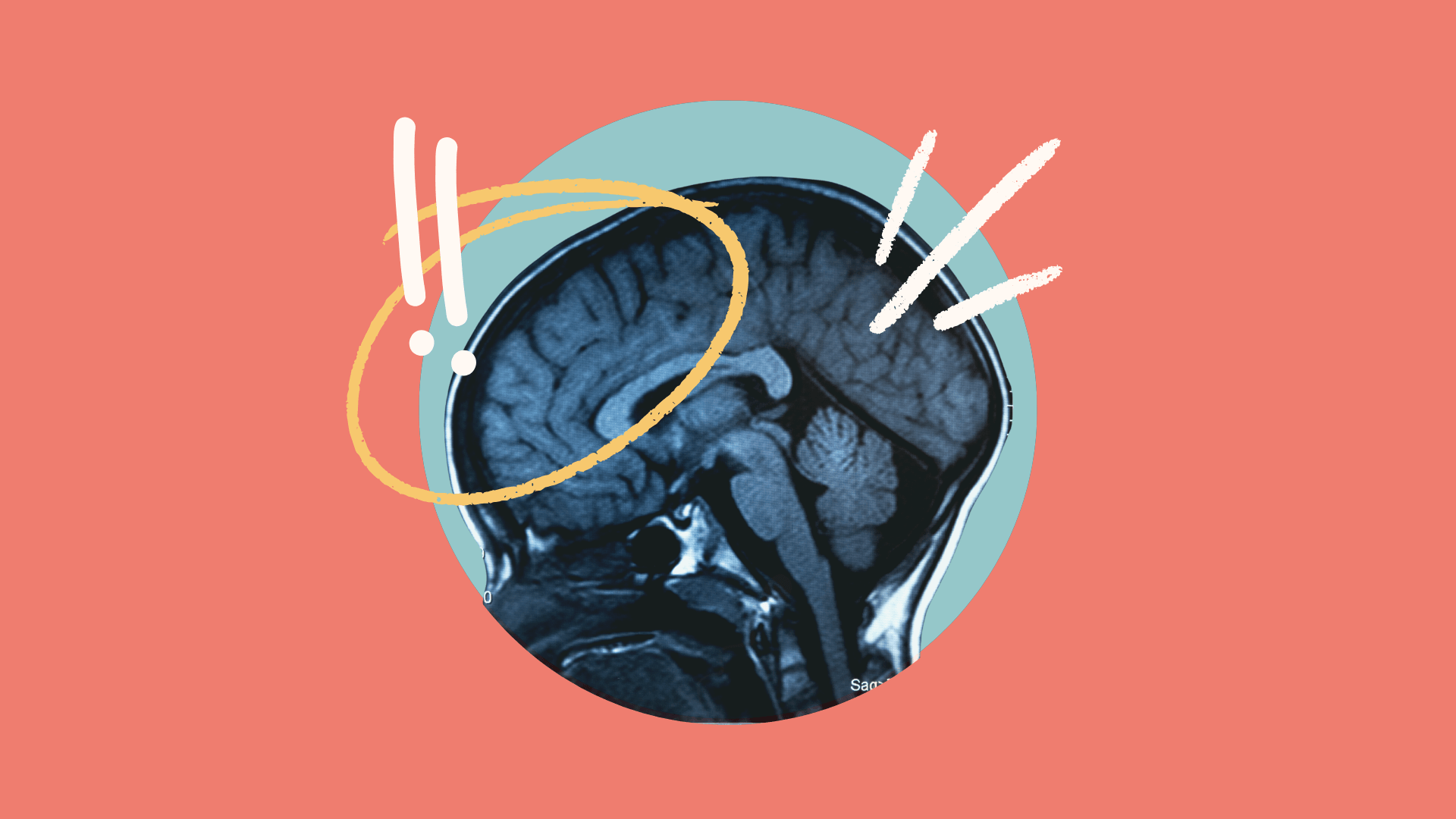
A magnetic resonance imaging scan (MRI) is a non-invasive medical test that uses a strong magnet, radio waves, and a computer to create detailed pictures of the inside of your body.
When you see a doctor about a symptom or you’re admitted to hospital for an issue, a medical professional will decide if an MRI will help with diagnosis and treatment.
During an MRI you’ll lie on a table that slides into a large machine. You need to stay still while the images are taken.
Can MRI scans improve your health outcomes?
There’s no scientific evidence that whole-body MRI scans are effective for health screening in the general population, so they’re not covered by Medicare (unless you’re one of very few people who have a specific inherited risk of cancer). Unless you have a specific medical need, a whole-body MRI costs around $2,500-$4,000 and takes about an hour of your time.
Before you shell out for a whole-body MRI scan, here’s what the evidence (from a large study of 3603 healthy middle-aged German and Dutch people) says about the outcomes:
Here’s a diagram that shows the proportions of people with different outcomes of the test:

Compared to the 4% of people who ended up receiving treatment, monitoring or ongoing investigations, more people felt insecure about their health (5%) or worried more about their health (6.2%) than they did before the test.
One of the things promoted by companies that provide whole-body MRI scans is the early detection of cancer. The study of German and Dutch people who chose to have MRI scans found tumours in around 4% but most of these were benign (not harmful). Nineteen cancerous tumours were found in about 0.5% of the 3603 people who had an MRI (approximately one in 200). Early diagnosis of health problems was a goal of most people who had the scans, so finding a cancerous tumour is a good result from that point of view. However, these observations from the study demonstrate one of the concerns about direct-to-consumer whole-body MRI: the high prevalence of incidental findings.
What are the risks of unnecessary MRI scans?
Lots of people have ‘abnormalities’ found when they have a whole-body MRI scan, which turn out to be false positives (finding something that is actually nothing). These findings require further tests that cost money, time, worry and, in some cases, cause harm. To find out whether a tumour is cancerous, you need a biopsy, and collecting a biopsy can cause injury.
False negatives are also a problem. As sensitive as MRI is, it is not perfect. Whole-body MRI will not detect all health problems (if a company that provides whole-body MRI says it examines 14 organs, it is ignoring most). This can result in a false sense of security, allowing people to rationalise behaviours that are damaging to their health, or causing them to overlook more reliable screening tests.
MRI risks and benefits
When health authorities are assessing screening tests, they take into account possible harms like these and weigh them against the possible benefits. For example, the PSA blood test for prostate cancer screening is estimated to result in erectile dysfunction for 25 out of every 1000 men screened, while preventing one cancer death (that’s why it is not recommended for everyone). For whole-body MRI screening, there are no proven health benefits.
Established screening programs, like bowel cancer screening or the new lung cancer screening program, have established protocols for what to do if someone screens positive (e.g. colonoscopy after a positive bowel cancer screening test). For whole-body MRI, there is no such protocol. If you have a whole-body MRI scan and take the results to your GP, they may not know what to recommend next because there’s no information to guide them. When it comes to recommendations for further investigations, I’d be concerned about the independence of a doctor who works for a company (that you just gave $3,000 to for an MRI) that might be the provider of the recommended tests.
Services like whole-body MRI and other direct-to-consumer health tests are becoming increasingly common, promoted as part of the democratisation of healthcare that improves patients’ access to information, services and health technologies, and facilitates shared decision-making between patients and health professionals. At $3,000, a whole-body MRI scan might be considered more elitist than democratic, regardless of whether it’s helpful or not.

Tim Moss
Healthy Male Health Content Manager
Dr Tim Moss has PhD in physiology and more than 20 years’ experience as a biomedical research scientist. Tim stepped away from his successful academic career at the end of 2019, to apply his skills in turning complicated scientific and medical knowledge into information that all people can use to improve their health and wellbeing. Tim has written for crikey.com and Scientific American’s Observations blog, which is far more interesting than his authorship of over 150 academic publications. He has studied science communication at the Alan Alda Centre for Communicating Science in New York, and at the Department of Biological Engineering Communication Lab at MIT in Boston.