












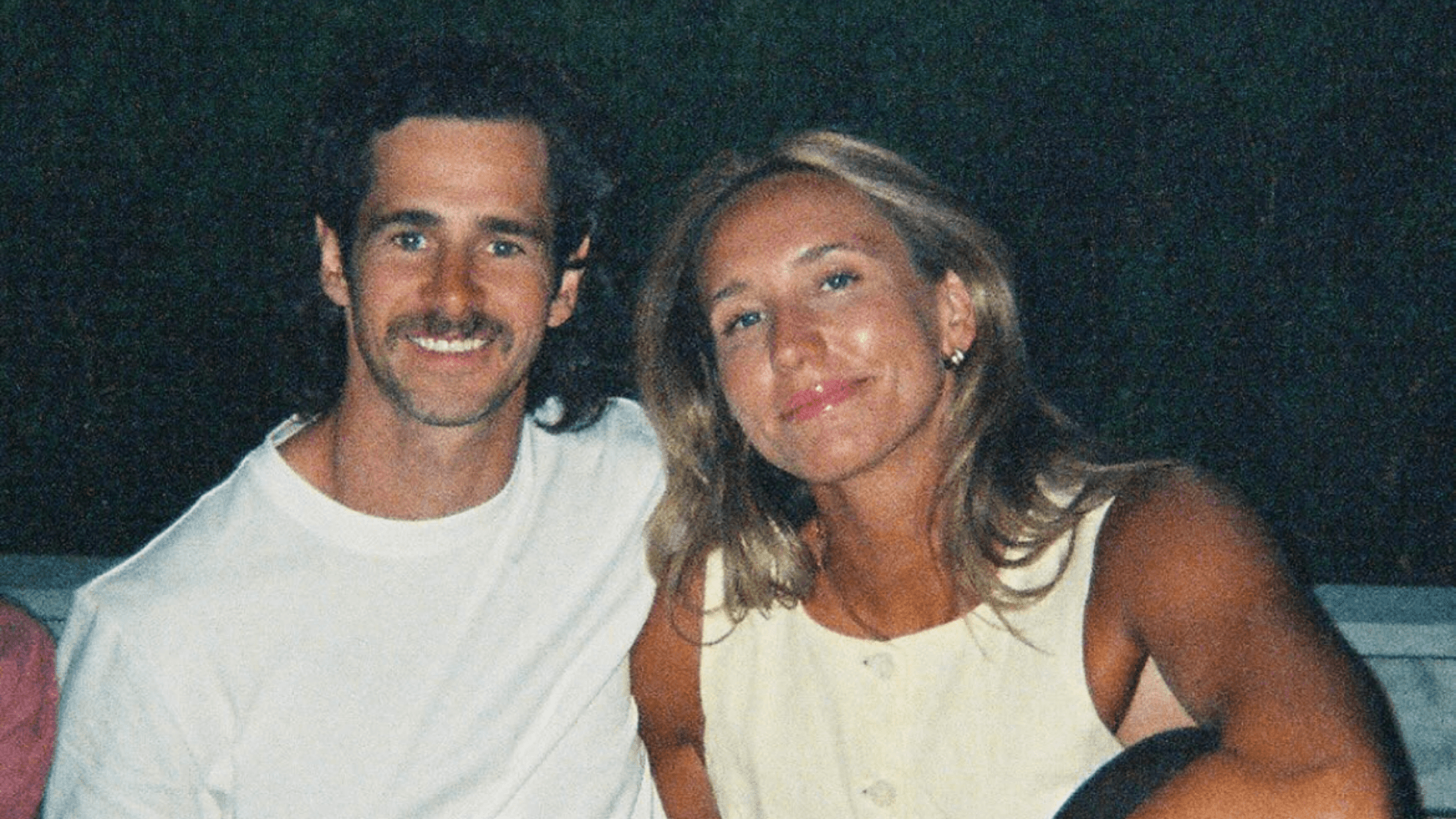

Joel, 35, was born with hypospadias, where the opening of the urethra is on the underside of the penis or the scrotum, rather than at the tip. When his childhood surgeries caused scar tissue in the urethra, he spent his late twenties and early thirties managing urethral strictures with a catheter, avoiding the recommended surgery he knew he needed. Here, he shares what finally changed his mind, and why he’s now speaking publicly about a journey he once couldn’t mention to anyone.
I was born with quite a severe case of hypospadias. It’s actually more common than most people realise — about one in every 200 to 300 boys is born with it. I grew up having issues going to the toilet, things looking different, and I probably had about five surgeries that I can remember, up until I was 17.
When I finished with the paediatric system and moved into adult healthcare, I just kind of didn’t take care of it. I lived a somewhat regular life until my mid to late twenties, when I started having issues going to the toilet again. What I have is called failed hypospadias, which means the original surgeries hadn’t held, and I’d ended up with urethral strictures. That’s essentially scar tissue narrowing the urethra, making it harder to urinate.
That kicked off about seven or eight years of physical and mental pain. I was using a catheter every day — that means inserting a small tube into my urethra to urinate. And I knew, the whole time, that there was a more definitive solution — but I kept putting it off.
In my case, the penile urethroplasty — the major reconstructive surgery to repair the urethra — carried about a 60% success rate. In others that success rate is higher. If it fails, there can be serious health complications and additional surgeries required. So that number came with a lot of fear.
What does it mean to be a man if it doesn’t work? How does it affect my quality of life, my relationships? I just kept pushing it out because I didn’t want to face the risk that it wouldn’t work.
I also didn’t do enough research, didn’t seek enough opinions, and didn’t understand what the long-term implications of a short-term decision — of putting off the surgery — actually looked like. Using a catheter is a band-aid solution and it reduces your outcomes long-term. My urethroplasty would have had a higher success rate if I hadn’t been using a catheter for so long. The delay created additional strictures and made the surgery more complex.
Finding my people
In high school, I didn’t know how to articulate my situation and was closed off about it — I didn’t talk about it with anyone. In my twenties, it shifted into being a bit of a joke, something I’d play up with the guys for laughs. That was my way of dealing with it. My friends have been incredibly supportive, and since I’ve started actually explaining the seriousness of what I have, it’s been way better, probably in the last twelve months.
It more so impacted my romantic relationships and how I would date, because I was so scared of what it meant about me — whether someone else would be willing to go through this, in terms of potentially not being able to have penetrative sex forever, just being in hospitals, potentially not being able to have kids naturally. So there was a lot of self-sabotage in my relationships. On a first date, I’d be like, ‘Hey, just so you know, I’m having a urethroplasty eventually. So if we end up together, you should know it’s going to be a very tough life’.
What changed
The biggest reason I’m here is my wife, Lovisa. We first met ten years ago, and my urology issues were a thing in our relationship like it was in every relationship — she knew about it, but I was stable at the time. We went our separate ways for about eight years, and found each other again in 2023 — and got married in 2025. During those eight years we stayed friends, and I’d call her after doctor’s appointments. She’s been the most important person in this whole journey. Her patience and willingness to be open have been the best support. She calls out my tendency to self-sabotage and helps focus on the positives, which makes dealing with this so much easier.
Probably two or three months before my wedding, I was in bad shape. I thought I was going to have to do my wedding with a suprapubic catheter (a device that drains urine from your bladder through a small incision in your abdomen) because my symptoms were so bad. Lovisa found a support group online, and for the first time in my life, I connected with other men who had been through something similar.
There was one guy in particular — John, from Liverpool in the UK — who was my age and about six months ahead of me in his double-stage penile urethroplasty journey. He became my best friend overnight. He told me what to expect, what his headspace was like, and that his quality of life was better on the other side. For the first time in my life, I heard from someone else who had the same experience as me. That was the trigger that gave me the confidence to go ahead and book the procedure.
That’s why I’m sharing my story now. As far as I’m aware, I’m the only person who has publicly spoken on social media about having a urethroplasty.
When I reflected on my own journey, the thing that helped me most was hearing from other people who had been through it. I realised I could actually help people by sharing my story.
The response has been overwhelming. I can’t keep up with my DMs. It’s a lot of young guys who have never heard from anyone who’s had this. It’s a lot of mothers of boys with hypospadias. I’m not a medical professional and I can’t give medical advice, but I can at least be a human being with a face and a name who is publicly talking about it.
I also recognise that I’m in a privileged position. My health insurance through work is paying for this surgery with one of the best surgeons in the world. A lot of people reaching out to me can’t get the same quality of care. That’s something I’m very aware of.
My penile urethroplasty isn’t a single operation — it’s a staged process, and I’m currently in between those stages. Right now I have an open graft and I urinate through a temporary opening while the tissue heals. The final stage will close everything up. It is as involved and as confronting as it sounds. I won’t pretend otherwise. It’s a very lengthy, intensive, invasive process.
But I’m still here saying my quality of life is better now, mid-process, than it was when I was using a catheter every day just to avoid getting to this point.
What masculinity actually means
In my early twenties, being a man meant being able to use your penis, being able to use it in relationships. I struggled with the thought that if I couldn’t procreate, did that make me less of a man?
Now I feel as masculine as I’ve ever felt in my life — and my penis looks like a cheek and I can’t use it in the same way as before. It’s really opened my eyes. Masculinity is about taking on life’s challenges with courage and authenticity; it’s about serving and protecting the people you love and the wider community. It’s about being emotionally strong.
Women, in my experience, genuinely don’t care about the things men convince themselves matter — size, appearance, function. Men are so in their own heads about it. Being with a secure partner who explains that none of these things really matter has helped with my body image probably more than anything.
My wife is also a nervous system coach, which has helped me build practices that I now consider non-negotiable: meditation, journaling, breathwork, staying physically active. I’m in better shape now, mentally and physically, than I was in my mid-twenties when I was not looking after myself. Even with everything going on, I’m healthier overall. And I genuinely believe that if I’m physically and mentally strong but the surgery doesn’t work, I’ll be in a better position than if the surgery worked and I was a mental wreck.
What I’d tell other men
Facing your challenges and accepting them is the most masculine thing you can do. Being open in a way that is respectful to others — not necessarily oversharing for the sake of it — but identifying the right people, whether that’s people in your life or professionals like psychologists or doctors, that you can openly have a conversation with.
Taking care of your mental and physical health is the best thing you can do. If you’ve got a health condition or are struggling with something, you can make it so much easier by taking care of the other elements of your life and controlling what you can control.
And never be scared to at least seek opinions from multiple medical professionals. You don’t always have to make a decision straight away, but getting different advice is really important. Men don’t talk about this stuff, don’t go to the doctor, and it can just get worse and worse. There’s no harm in just getting a check and seeing if everything’s okay down there.
You can follow more of Joel’s journey on Instagram here.